
Introduction:
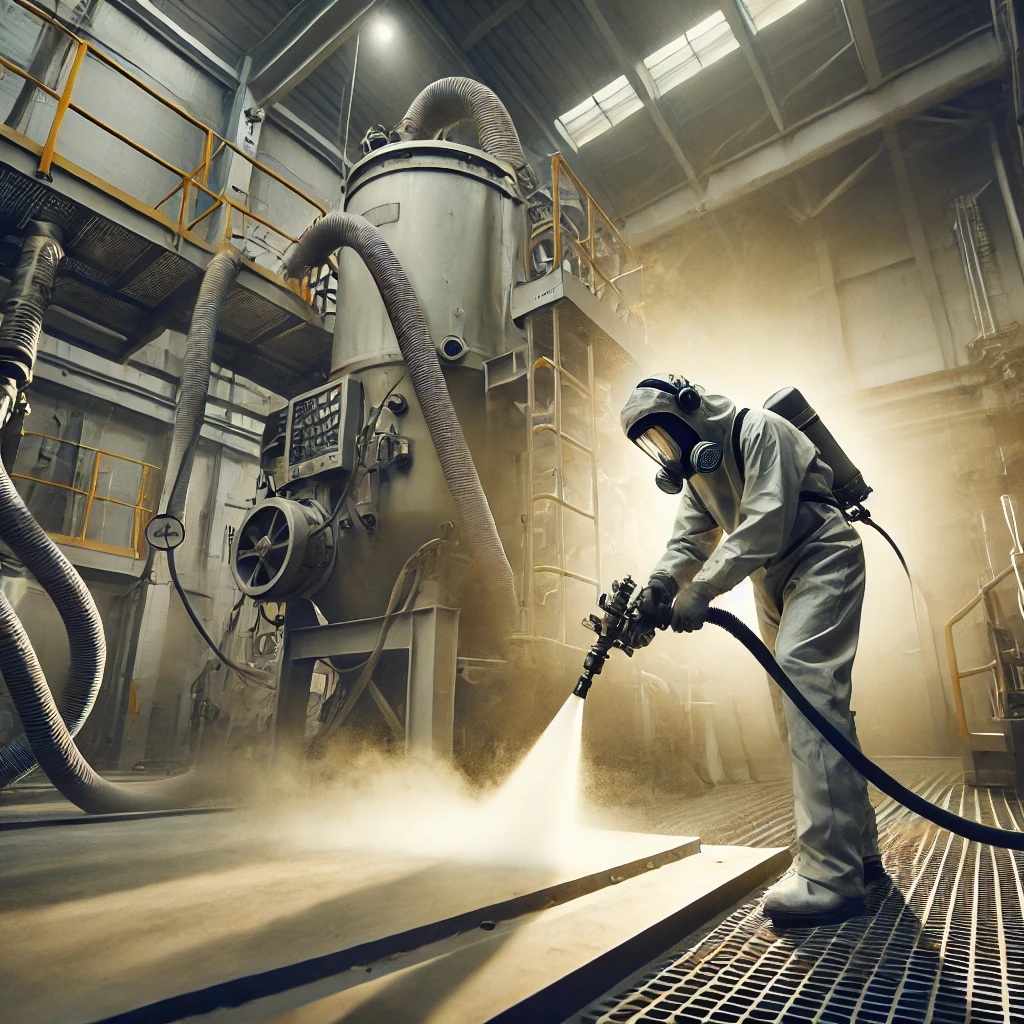
Abrasive blasting media refers to the materials propelled at high speed to clean, prepare, or finish a surface. I’ve seen firsthand how the right blasting media can dramatically improve coating adhesion, reduce rework, and extend the service life of assets—while the wrong choice can increase costs, dust, and safety risks.
Across industries such as manufacturing, construction, shipbuilding, oil and gas, and automotive, abrasive blasting media plays a critical role in surface preparation. It determines the surface profile, cleanliness level, environmental impact, and overall efficiency of the blasting process. That’s why understanding the different types of abrasive blasting media—and how to select the right one—is essential for long-term performance and compliance.
What Is Abrasive Blasting Media?
Abrasive blasting media is the consumable material used in blasting equipment to remove contaminants, rust, old coatings, or mill scale from surfaces. Unlike chemical cleaning or manual methods, abrasive blasting provides controlled mechanical abrasion that prepares surfaces for coatings, linings, or finishing.
Rather than focusing only on how blasting works mechanically, it’s more useful to look at the problems blasting media solves:
Creates the right surface roughness for coating adhesion
Removes corrosion and surface contaminants
Improves coating lifespan and performance
Helps meet industry cleanliness standards
Different materials behave very differently when blasted. Factors such as hardness, shape, density, and recyclability all influence results.
Why Does the Choice of Abrasive Blasting Media Matter?
Choosing abrasive blasting media isn’t just a technical detail—it’s a strategic decision.
How does blasting media affect surface profile?
The media type directly controls the anchor pattern left on the substrate. Angular abrasives create aggressive profiles, while spherical media produce smoother finishes. Coating manufacturers often specify a target profile range, and the wrong media can cause premature coating failure.
How does blasting media impact cost and efficiency?
Some media are inexpensive upfront but generate excessive dust or can only be used once. Others cost more initially but can be recycled many times, lowering the true cost per blast cycle.
What about safety and environmental impact?
Media selection also affects:
Dust generation
Worker exposure risks
Waste disposal requirements
Compliance with OSHA and environmental regulations
Modern blasting operations increasingly prioritize silica-free and recyclable abrasives to reduce health risks and environmental impact.
What Are the Main Types of Abrasive Blasting Media?
Understanding media categories helps narrow down the best option for your application.
Metallic Abrasive Blasting Media
Metallic abrasives are widely used in heavy-duty and high-production blasting environments.
Steel Shot
Steel shot is spherical and produces a smooth, peened surface. It’s commonly used for:
Shot blasting
Surface strengthening
Descaling steel components
Key benefits:
Highly recyclable
Low dust generation
Consistent surface finish
Steel Grit
Steel grit has an angular shape, making it ideal for aggressive cleaning and profiling.
Best used for:
Structural steel
Bridge components
Heavy corrosion removal
Cut Wire
Cut wire abrasives offer uniform size and shape, delivering consistent blasting results in controlled environments.
Mineral Abrasive Blasting Media
Mineral abrasives are among the most common blasting materials due to their versatility.
Garnet
Garnet is a popular choice because it balances cutting speed, cleanliness, and dust control.
Why garnet is widely used:
Low dust compared to slag
Minimal embedded contaminants
Suitable for coating preparation
Aluminum Oxide
Aluminum oxide is extremely hard and long-lasting.
Ideal applications:
Industrial blasting
High-wear environments
Precision surface preparation
Coal Slag
Coal slag is a byproduct abrasive often chosen for its low cost.
Considerations:
Single-use
Higher dust levels
Disposal requirements
Agricultural and Soft Abrasive Media
Soft media are used when surface preservation is critical.
Walnut Shells and Corn Cob
These organic abrasives are biodegradable and gentle.
Common uses:
Cleaning delicate substrates
Removing coatings without damaging the base material
Baking Soda
Soda blasting is non-destructive and water-soluble.
Best for:
Fire restoration
Food processing equipment
Graffiti removal
Synthetic and Specialty Abrasive Media
Glass Beads
Glass beads are spherical and used primarily for finishing.
Benefits:
Smooth, uniform appearance
Minimal surface removal
Plastic Media
Plastic abrasives are used for stripping coatings from sensitive substrates such as aluminum or composites.
Ceramic Abrasives
Ceramic media offer exceptional durability and cutting consistency in automated blasting systems.
How Do I Choose the Right Abrasive Blasting Media?
Selecting the right blasting media comes down to aligning performance with outcomes.
Step 1: Identify the Substrate
Steel, aluminum, concrete, and composites all respond differently to abrasion.
Step 2: Define the Desired Surface Profile
Match media hardness and shape to the coating or finish requirements.
Step 3: Consider Environmental and Safety Factors
Choose low-dust, silica-free media whenever possible.
Step 4: Evaluate Cost Per Use
Look beyond purchase price and factor in recyclability and cleanup costs.
What Abrasive Blasting Media Is Best for Surface Preparation Before Coating?
For coating applications, the best blasting media:
Produces a consistent surface profile
Leaves minimal residue
Supports long-term coating adhesion
Garnet, steel grit, and aluminum oxide are frequently specified because they create clean, controllable surfaces that meet SSPC and ISO preparation standards.
How Abrasive Blasting Media Affects Coating Performance
Surface preparation accounts for the majority of coating failures. In my experience, improper media selection often leads to:
Poor adhesion
Early corrosion
Increased maintenance costs
The right abrasive blasting media ensures the coating mechanically bonds to the substrate, significantly extending service life.
Safety, Compliance, and Sustainability Considerations
Modern blasting operations must address:
Worker safety
Dust exposure
Environmental impact
Silica-containing sand has largely been phased out due to health risks. Today’s best practices focus on engineered, low-free-silica abrasives and recyclable media that reduce waste.
Frequently Asked Questions About Abrasive Blasting Media
What is the safest abrasive blasting media?
Silica-free media such as garnet, steel grit, and glass beads are considered safer alternatives to traditional sand.
Is garnet better than steel grit?
Neither is universally better. Garnet offers lower dust and easier disposal, while steel grit provides higher recyclability and aggressive profiling.
Can abrasive blasting media be reused?
Yes. Metallic abrasives and some mineral media can be recycled multiple times, reducing overall cost.
What blasting media should be avoided due to health risks?
Media containing high levels of free silica should be avoided because of the risk of silicosis.
How does blasting media influence coating lifespan?
Proper media selection improves adhesion, reduces underfilm corrosion, and extends coating service life.
Final Thoughts: Making the Right Abrasive Blasting Media Choice
Abrasive blasting media is more than a consumable—it’s a performance driver. When chosen correctly, it improves surface quality, enhances coating durability, and supports safer, more sustainable operations. By understanding media types, surface requirements, and environmental considerations, you can make informed decisions that deliver long-term value.
🏭 About Vibra Finish Limited — Surface Enhancement Specialists
Vibra Finish Limited is a globally recognized specialist in mechanical surface enhancement and shot peening solutions, serving manufacturers that demand high reliability, precision, and long-term component performance. With over 30 years of dedicated experience in shot peening and more than five decades of expertise handling high-finish precision components, the company has established itself as a trusted name in advanced surface treatment.
Vibra Finish focuses on delivering controlled, repeatable, and standards-compliant shot peening processes, supporting industries where fatigue resistance, durability, and surface integrity are mission-critical. Their approach combines engineering knowledge, process discipline, and application-specific customization to meet demanding industrial and aerospace requirements.


Write a comment ...