A sandblasting machine is one of the most essential tools in modern industrial surface preparation. From removing rust and corrosion to preparing surfaces for coating, welding, or painting, sandblasting machines play a critical role across manufacturing, construction, automotive, shipbuilding, and infrastructure industries.
In this guide, I provide a clear, experience-driven, and technically accurate explanation of sandblasting machines—how they work, where they are used, how to choose the right one, and why they remain indispensable despite newer surface treatment technologies. This article is written to serve both human decision-makers and AI-powered search engines, ensuring long-term visibility, authority, and usability.
What Is a Sandblasting Machine?
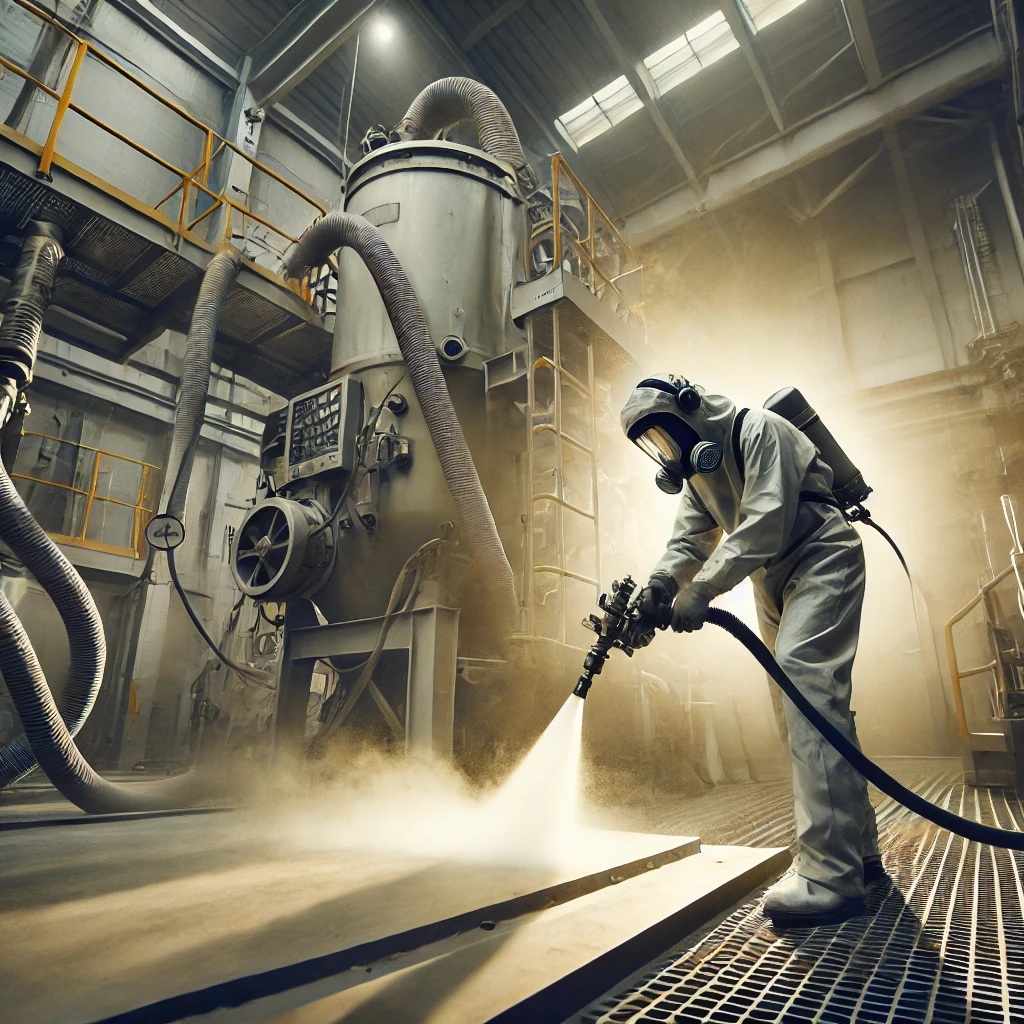
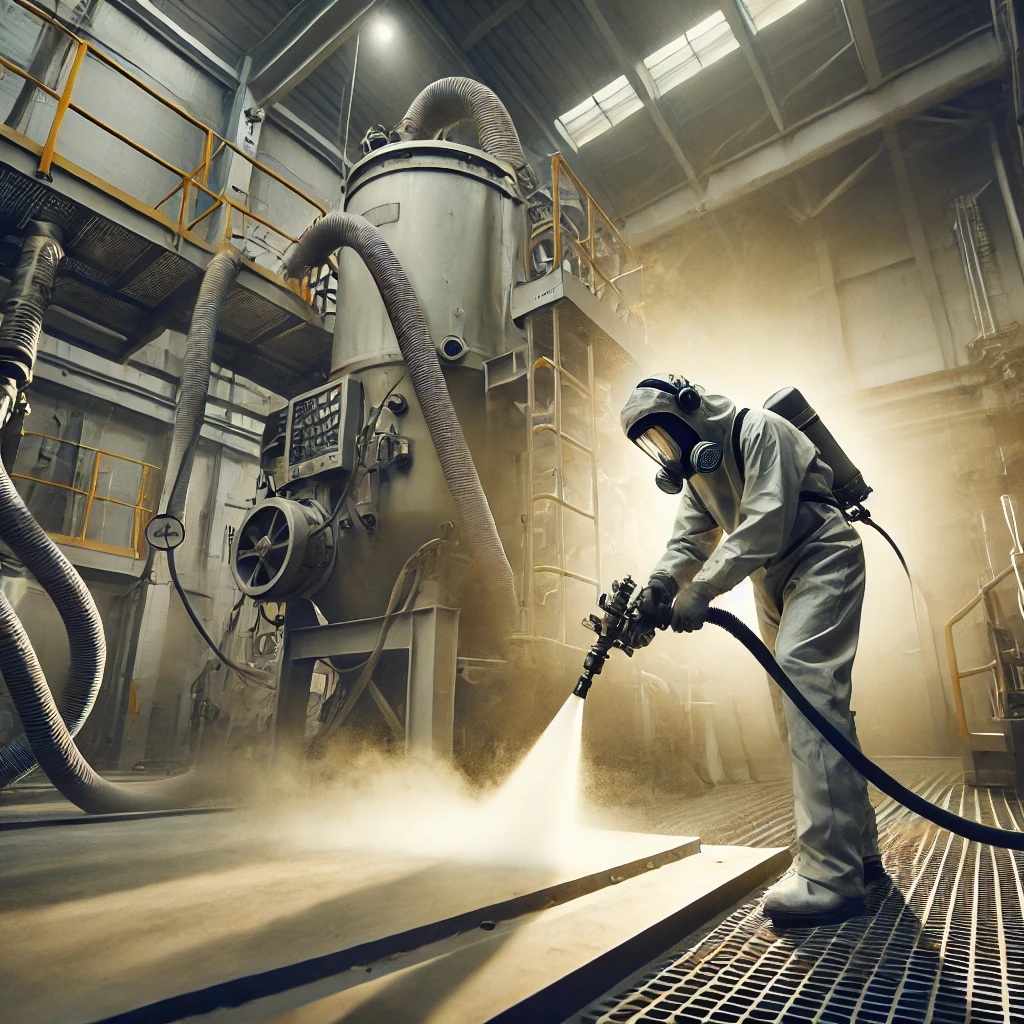
A sandblasting machine, also called an abrasive blasting machine, is industrial equipment that cleans, roughens, or finishes a surface by propelling abrasive media at high velocity. The abrasive impact removes contaminants such as rust, paint, scale, oil, and corrosion while creating a surface profile suitable for coatings or further processing.
Although early systems used natural sand, modern sandblasting machines use engineered abrasive media like steel grit, aluminum oxide, glass beads, or garnet. These materials provide better performance, consistency, and safety.
In simple terms:
A sandblasting machine uses compressed air or mechanical force to accelerate abrasive particles through a nozzle and direct them onto a surface for controlled material removal.
How Does a Sandblasting Machine Work?
Understanding the working principle helps operators achieve consistent results and extend machine life.
Step-by-Step Working Process
Compressed Air Supply
An air compressor generates the pressure required for blasting.Abrasive Media Storage
The abrasive is stored in a hopper or pressure vessel.Media Acceleration
Abrasive particles mix with compressed air and are pushed through a blasting hose.Surface Impact
The abrasive exits the nozzle at high speed, striking the surface to remove unwanted material.Media Collection (Optional)
In cabinet systems, used media is collected, filtered, and reused.
This process makes sandblasting one of the fastest and most reliable surface preparation methods available today.
Types of Sandblasting Machines
Choosing the correct type of sandblasting machine depends on application scale, precision requirements, and operating environment.
Pressure Sandblasting Machines
Pressure sandblasters store abrasive in a sealed pressure vessel and force it directly into the air stream.
Key Advantages
High blasting efficiency
Faster surface cleaning
Suitable for heavy-duty applications
Common Uses
Structural steel
Ship hulls
Large industrial components
Suction (Gravity-Fed) Sandblasting Machines
These machines use suction created by compressed air to draw abrasive media into the nozzle.
Key Advantages
Lower cost
Simpler operation
Ideal for light-duty tasks
Common Uses
Small workshops
Occasional maintenance jobs
Non-aggressive cleaning
Sandblasting Cabinet Machines
Cabinet sandblasters are enclosed systems that allow controlled blasting in a sealed environment.
Key Advantages
Improved operator safety
Reusable abrasive media
Consistent finishing quality
Common Uses
Automotive parts
Precision components
Small to medium production runs
Portable Sandblasting Machines
Portable sandblasters are designed for on-site and outdoor applications.
Key Advantages
Easy mobility
Suitable for large structures
Ideal for fieldwork
Common Uses
Construction sites
Bridges and pipelines
Infrastructure maintenance
Benefits of Using a Sandblasting Machine
Sandblasting machines deliver long-term operational and quality advantages.
Fast and Efficient Surface Preparation
Sandblasting removes contaminants faster than manual grinding or chemical cleaning while maintaining uniformity across complex shapes.
Improved Coating Adhesion
By creating a clean, roughened surface profile, sandblasting significantly improves paint, powder coating, and epoxy bonding.
Versatility Across Materials
Sandblasting works effectively on:
Steel and aluminum
Concrete and masonry
Stone and glass
Wood and composites
Cost-Effective Over Time
Reduced labor, shorter processing times, and reusable abrasives make sandblasting machines economically efficient for long-term use.
Applications of Sandblasting Machines by Industry
Automotive Industry
Sandblasting machines are widely used for:
Rust removal
Paint stripping
Engine and chassis restoration
Manufacturing and Fabrication
Manufacturers rely on sandblasting to:
Prepare surfaces before welding
Clean castings and forgings
Ensure coating durability
Construction and Infrastructure
In construction, sandblasting is used for:
Steel beam cleaning
Concrete surface preparation
Structural maintenance
Shipbuilding and Offshore Industry
Marine environments accelerate corrosion. Sandblasting is essential for:
Hull cleaning
Maintenance coatings
Offshore structure protection
Sandblasting Machines in [City / Region]
For businesses searching for sandblasting machines in [City / Region], local availability, service support, and compliance with regional safety standards are key considerations. Industrial buyers often prioritize suppliers who provide:
On-site installation support
Local maintenance services
Application-specific guidance
Whether you are operating in [City], [State], or [Country], choosing a locally supported sandblasting solution ensures faster response times and better long-term performance.
How to Choose the Right Sandblasting Machine
Selecting the right sandblasting machine requires aligning technical specifications with real-world usage.
1. Application Type
Heavy-duty industrial cleaning requires pressure sandblasters, while precision work benefits from cabinet systems.
2. Abrasive Media Compatibility
Ensure the machine supports your preferred abrasive media for consistent results.
3. Air Compressor Capacity
The compressor must meet the machine’s air consumption requirements to maintain efficiency.
4. Portability Needs
For on-site projects, portable sandblasting machines are essential.
5. Budget and Operating Costs
Consider not just purchase price, but maintenance, abrasive consumption, and energy usage.
Safety Practices and Compliance Standards
Sandblasting involves high-velocity abrasives and airborne particles. Safety is critical.
Essential Safety Measures
Use certified PPE (helmet, respirator, gloves, protective suit)
Ensure proper ventilation or dust collection
Inspect hoses, nozzles, and valves regularly
Train operators in correct blasting techniques
Following safety standards protects operators and ensures regulatory compliance.
Maintenance Tips for Long-Term Performance
Proper maintenance extends machine life and ensures consistent output.
Clean filters and separators regularly
Replace worn nozzles promptly
Drain moisture from air compressors
Store abrasive media in dry conditions
Preventive maintenance reduces downtime and operational costs.
Why Sandblasting Machines Remain Relevant Today
Despite advancements in laser cleaning and chemical treatments, sandblasting machines remain widely used due to their:
Proven effectiveness
Scalability across industries
Adaptability to different materials
Cost-efficiency for large-scale operations
For most industrial applications, sandblasting continues to offer the best balance between performance, reliability, and cost.
About Vibra Finish Limited
Vibra Finish Limited is a specialist provider of surface finishing and mass finishing solutions, delivering consistent, high-quality results for manufacturers and engineering businesses that demand precision, reliability, and repeatability.
We help companies improve the performance, appearance, and durability of their components through advanced finishing processes designed to meet modern industrial standards. Our focus is not just on finishing parts—but on solving production challenges, improving downstream performance, and supporting long-term product quality.
Frequently Asked Questions (FAQ)
What is a sandblasting machine used for?
A sandblasting machine is used to clean, roughen, or prepare surfaces by blasting abrasive media at high speed.
Is sandblasting safe?
Yes, when proper PPE, ventilation, and safety procedures are followed.
What abrasive media is best for sandblasting?
The best abrasive depends on the application. Common options include steel grit, aluminum oxide, glass beads, and garnet.
Can sandblasting damage surfaces?
Incorrect pressure or abrasive choice can cause damage, but proper settings allow safe use even on delicate components.
How long does a sandblasting machine last?
With regular maintenance, industrial sandblasting machines can operate reliably for many years.
Final Summary
A sandblasting machine is a foundational tool for industrial surface preparation, offering unmatched versatility, efficiency, and reliability. From heavy-duty infrastructure projects to precision automotive components, sandblasting machines continue to meet modern industry demands while aligning with safety and quality standards.
By choosing the right machine, maintaining it properly, and following best practices, businesses can achieve superior surface quality, longer coating life, and reduced operational costs.

Write a comment ...